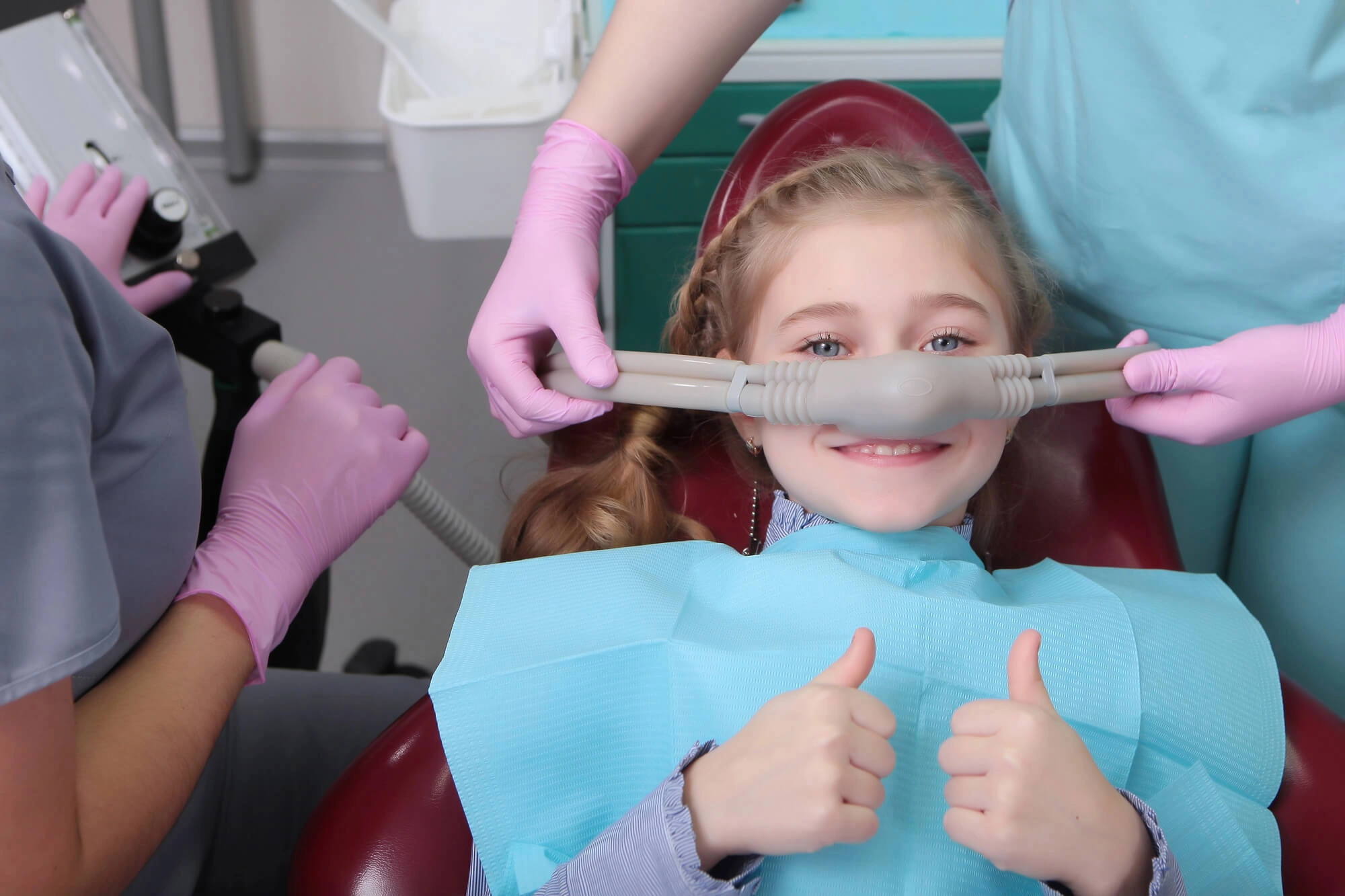
Dental sedation can help patients feel calmer and more comfortable during dental procedures, particularly those who experience dental anxiety or dental phobia. If you are searching for a dentist sedation near you, understanding how sedation works can help you decide whether it may be right for your needs. A dental professional can evaluate your concerns and recommend an appropriate approach based on your treatment and health history.
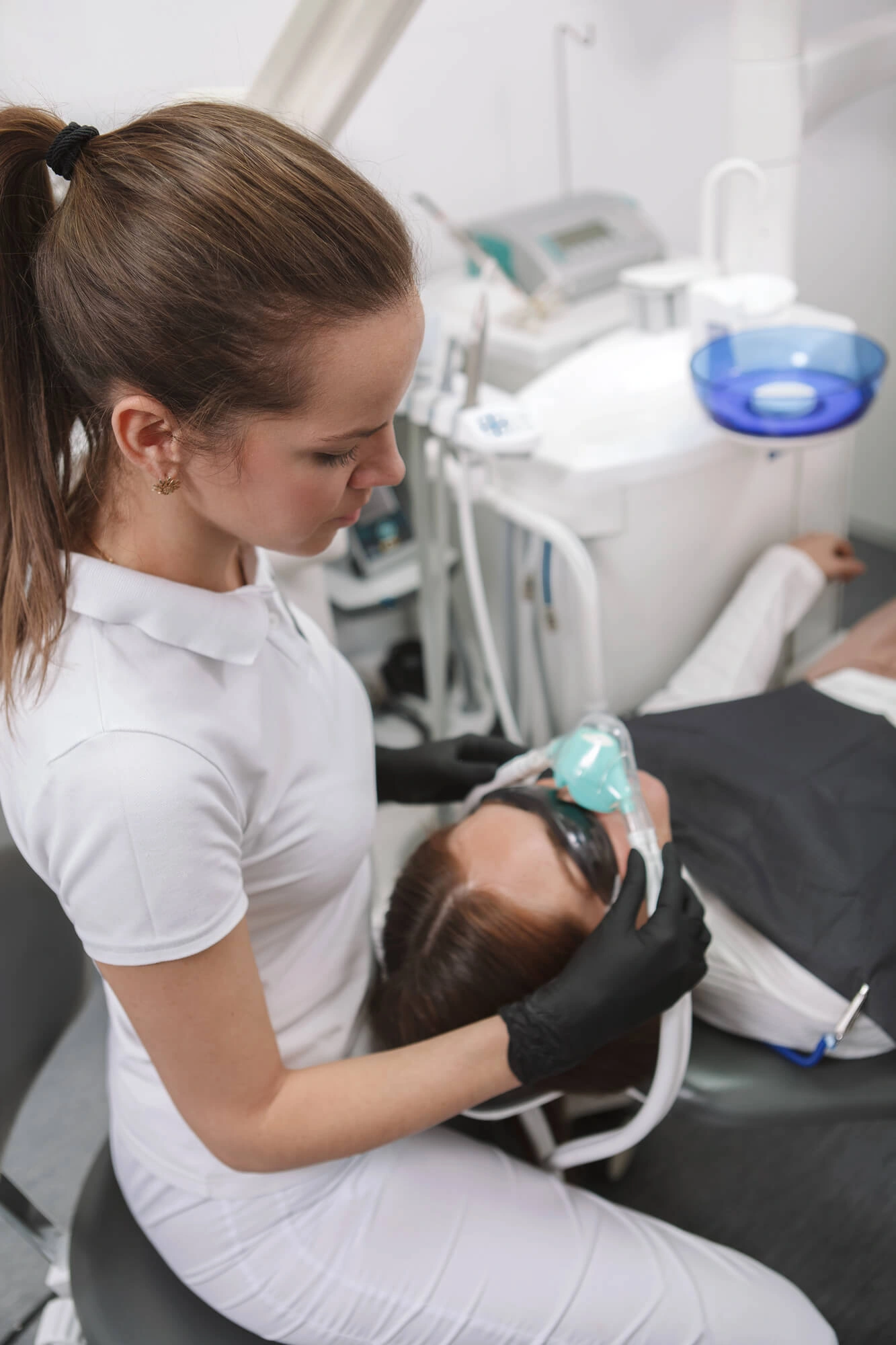
Dental sedation involves medication that helps patients relax during dental care. Depending on the type and level of sedation, you may remain awake and able to communicate with your dental team while feeling less anxious. Sedation is intended to improve comfort and cooperation, making certain dental visits easier for patients who find treatment stressful.
Who May Benefit From Dental Sedation?
Dental anxiety can affect patients of all ages and may sometimes develop into a strong fear or dental phobia. Patients who avoid appointments because they are nervous may benefit from discussing sedation with their dentist. It may also be considered for patients who have difficulty remaining comfortable during longer or more involved procedures.
Sedation may be helpful for patients who:
- Experience dental anxiety or dental phobia
- Have a strong gag reflex
- Feel nervous about dental instruments or sounds
- Have difficulty sitting comfortably during treatment
- Need extensive or lengthy dental procedures
How Does Sedation Help With Dental Phobia?
Dental phobia can cause patients to delay necessary dental care, potentially allowing minor concerns to become more complicated. Sedation may help reduce the intensity of fear and anxiety during an appointment, allowing eligible patients to receive treatment in a calmer setting. Discussing specific fears with the dental team can also help them develop a more comfortable treatment experience.
Sedation does not necessarily eliminate dental phobia permanently, but a positive dental experience may help some patients become more comfortable with future visits. Building trust with the dental team and maintaining regular appointments can gradually make dental care feel less intimidating. Patients should always discuss their anxiety and medical history before treatment so the dentist can determine whether sedation is appropriate.
What Should You Expect Before and During Sedation?
Before receiving sedation, the dentist will review your health history, planned treatment, and any instructions you need to follow. The type of sedation selected depends on factors such as your individual needs, procedure, and overall health. Following your dentist's preparation and aftercare instructions is important for a safe experience.
During treatment, your dental team will monitor you and provide appropriate care throughout the procedure. The goal is to help you remain relaxed while allowing the dentist to complete the planned treatment. Local anesthesia may also be used when necessary to numb the treatment area and manage discomfort.
Frequently Asked Questions
Does dental sedation put you completely to sleep?
Not necessarily, because many forms of dental sedation help patients relax while remaining awake and responsive.
Is dental sedation safe for patients with dental anxiety?
Sedation can be appropriate for some patients with dental anxiety, but a dentist should evaluate their health history and individual needs first.
Can sedation help with dental phobia?
Sedation may reduce fear and anxiety during dental treatment, helping eligible patients feel more comfortable receiving necessary care.
Schedule a Consultation With a Dentist Sedation Near You
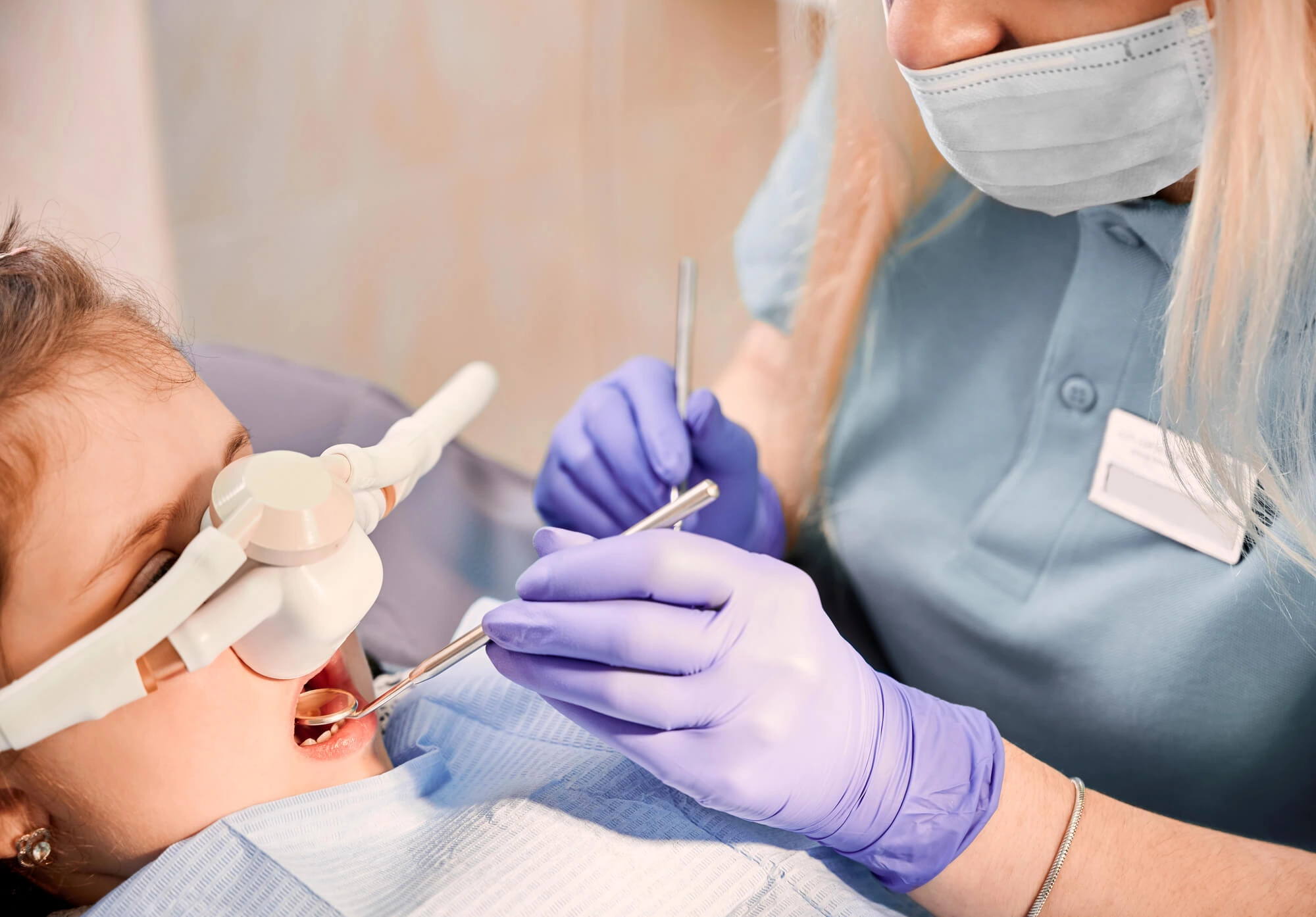
If fear or anxiety has prevented you from receiving dental care, sedation may provide a way to make your experience more manageable. North Penn Dental Arts can discuss your concerns, evaluate your needs, and explain sedation options that may be appropriate for your treatment. Schedule a consultation today to take a more comfortable approach to your dental care.