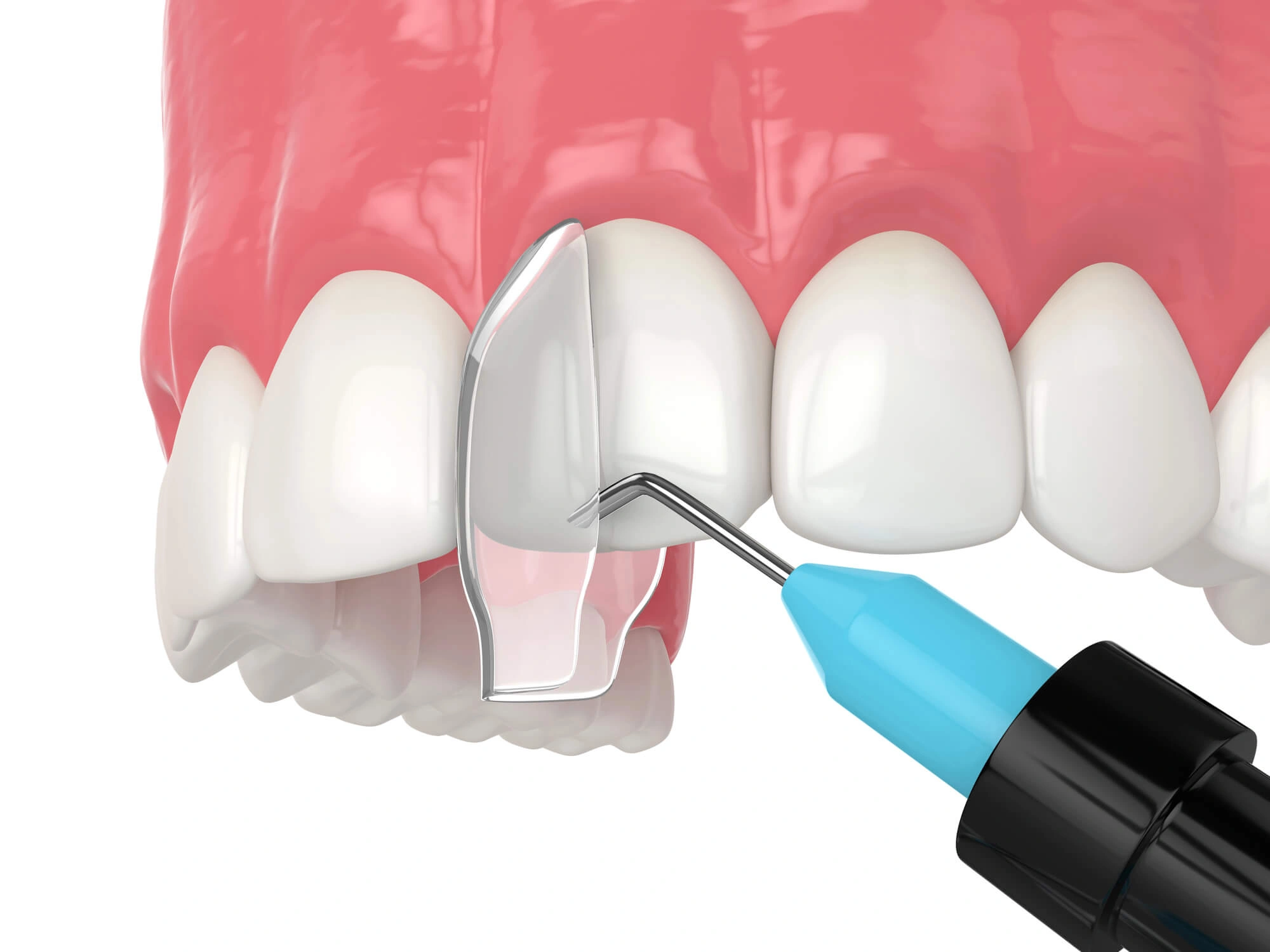
Cosmetic dental bonding is a fast and effective way to improve chipped, stained, uneven, or slightly gapped teeth. Many patients considering dental bondings in Lansdale want to know how long the results will last and what they can do to maintain their new smile. With proper care, cosmetic dental bonding can remain in good condition for several years while helping patients feel more confident about their appearance.
How Long Does Cosmetic Dental Bonding Typically Last?
Dental bonding usually lasts between 3 to 10 years depending on the location of the bonding, oral habits, and overall dental care routine. Bonding material is durable, but it is not as strong as natural enamel or porcelain restorations.
The lifespan of cosmetic bonding can vary from person to person. Patients who maintain healthy habits and attend regular dental visits often enjoy longer-lasting results.
Factors That Affect the Lifespan of Dental Bonding
Several factors influence how long cosmetic bonding stays attractive and functional.
Oral Habits
Chewing ice, biting nails, or using teeth to open packages can weaken or chip the bonding material over time.
Teeth Grinding
Patients who grind or clench their teeth may place extra pressure on bonded teeth, causing wear or damage.
Food and Drink Choices
Dark-colored beverages like coffee, tea, and red wine may stain bonding material over time, especially without proper oral hygiene.
Daily Dental Care
Brushing, flossing, and regular cleanings help protect bonded teeth and support long-lasting results.
What Cosmetic Problems Can Dental Bonding Fix?
Dental bonding is a versatile cosmetic treatment that improves several common smile concerns.
Common Reasons Patients Choose Dental Bonding
Patients often use bonding to correct:
- Chipped teeth
- Minor cracks
- Small gaps between teeth
- Uneven tooth edges
- Slightly misshapen teeth
Because bonding is minimally invasive, many adults choose it as a quicker and more affordable cosmetic option compared to veneers or crowns.
Is Cosmetic Dental Bonding Painful?
Most patients experience little to no discomfort during a dental bonding procedure. In many cases, anesthesia is not even necessary unless the bonding is being used to repair decay or damage near a sensitive area.
For patients with dental anxiety or dental phobia, even simple cosmetic treatments can feel stressful. Fear of dental tools, past experiences, or sensitivity concerns may prevent some people from improving their smiles.
Sedation Options for Nervous Patients
Comfort-focused dental care can make cosmetic procedures easier for anxious patients.
Nitrous Oxide Sedation
Nitrous oxide, also known as laughing gas, helps patients relax during treatment while remaining awake and responsive.
Gentle and Compassionate Care
A calm environment, patient communication, and slower-paced appointments can help reduce fear and improve the overall experience.
Support for Dental Phobia
Patients with severe dental anxiety may avoid cosmetic dentistry for years. Working with a dental team that understands dental phobia can help patients feel more comfortable and confident during treatment.
How Can Patients Make Dental Bonding Last Longer?
Maintaining cosmetic bonding requires healthy oral habits and routine dental care.
Tips to Protect Cosmetic Bonding
Patients can extend the life of bonding by:
- Avoiding chewing hard objects
- Wearing a night guard if they grind their teeth
- Limiting stain-causing foods and drinks
- Practicing daily brushing and flossing
- Visiting the dentist regularly for cleanings and exams
Small lifestyle adjustments can help preserve the appearance and durability of bonded teeth for many years.
Improve Your Smile with Dental Bondings in Lansdale
Patients looking for long-lasting cosmetic improvements may benefit from dental bonding to repair minor imperfections and enhance smile confidence. Whether you are concerned about chipped teeth, discoloration, or small gaps, bonding offers a comfortable and effective solution. North Penn Dental Arts provides compassionate cosmetic care, including support for patients with dental anxiety and dental phobia, helping every patient feel more relaxed throughout the treatment process. Book your Consultation today.